
Menopause is a time to rethink how we approach our health, metabolism, and body composition. For too long, women have been taught that the answer to midlife weight gain is simply to eat less and exercise more. But what if the real priority is building a stronger body rather than chasing a smaller number on the scale? During the menopause transition, I believe one of the most valuable shifts we can make is to focus on preserving and building lean muscle, nourishing the body adequately, and creating a foundation for long-term metabolic health. The goal is not simply to lose weight; it is to build a body that supports us for the rest of our lives.
Muscle is one of our greatest metabolic assets. It plays an important role in glucose uptake, insulin sensitivity, physical strength, and the ability to maintain independence as we age. As estrogen levels fluctuate and decline during the menopause transition, many women notice changes in body composition, including a tendency to accumulate more abdominal fat and find it harder to maintain muscle. While muscle cannot replace estrogen or correct every hormonal imbalance, it is an important part of the body's interconnected metabolic system. Building and maintaining muscle can help support blood sugar regulation, bone health, mobility, and resilience during this stage of life. This is why I encourage women to think beyond weight loss and start asking a more empowering question: How can I become stronger, healthier, and more metabolically resilient?
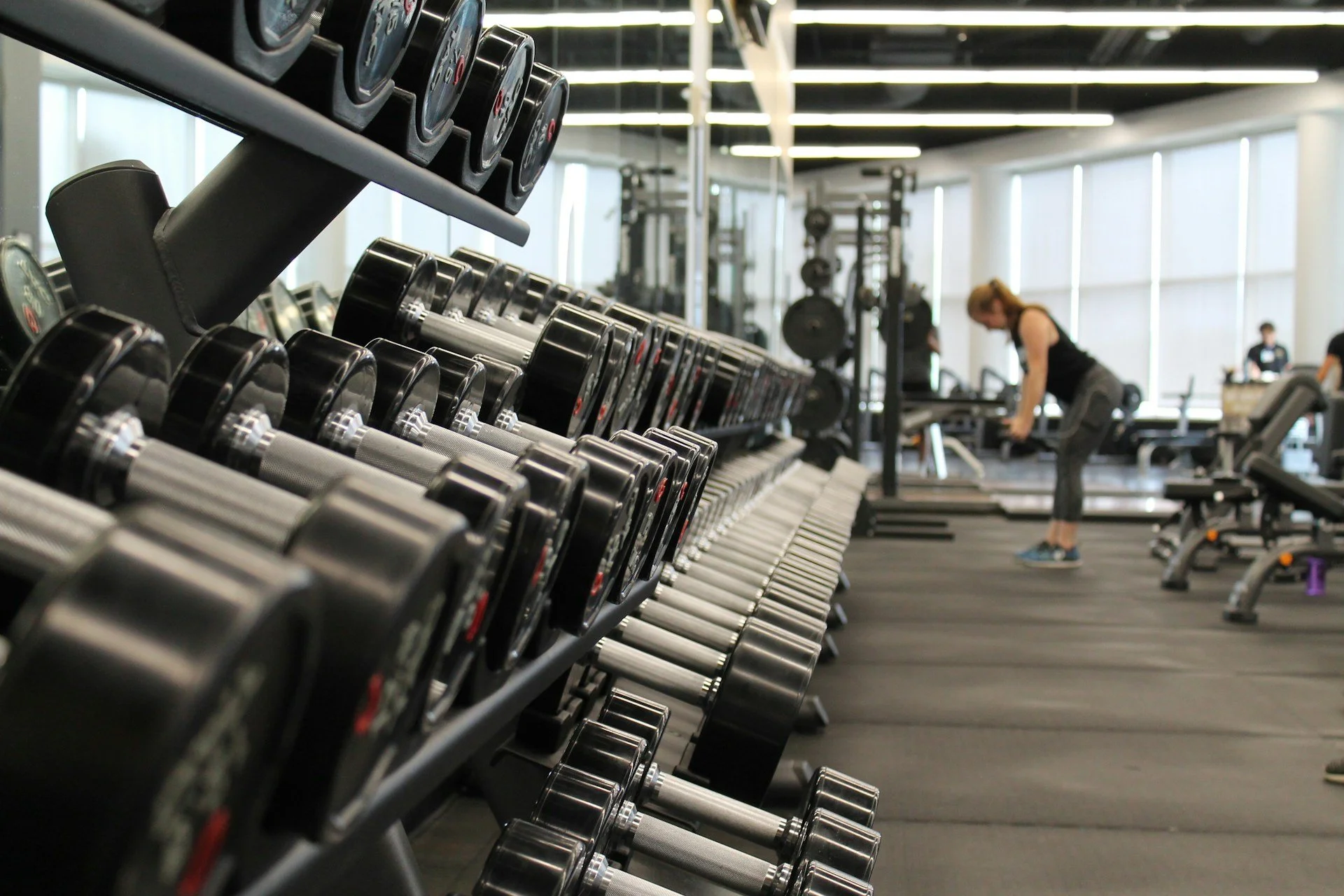
The foundation begins with resistance training. Lifting weights is not just for younger women or athletes; it is an essential investment in healthy aging. Aim for two to four strength-training sessions per week, depending on your fitness level, recovery, and individual needs. Focus on major muscle groups, gradually challenge yourself with increasing resistance, and give your body time to recover and adapt. Walking, cardiovascular exercise, stretching, and mobility work are also important, but they should complement a consistent strength-training routine. If you are new to resistance training, start where you are and progress safely. Consistency matters far more than perfection.
Equally important is how we nourish ourselves. Muscle cannot be built effectively when the body is chronically under-fueled. Adequate protein, sufficient total calories, fiber-rich plant foods, healthy fats, and essential micronutrients all contribute to overall health and recovery. Include protein-rich foods such as eggs, fish, poultry, Greek yogurt, tofu, or legumes throughout the day, and pay attention to nutrients that support bone and muscle health, particularly calcium and vitamin D. If you have spent years restricting calories, skipping meals, or relying on excessive cardio to manage your weight, it may be time to reconsider that strategy. The answer is not necessarily to eat more without a plan, but to ensure your nutrition supports your activity, recovery, and health goals. Individual needs vary, and a personalized approach is especially valuable during the menopause transition.
My philosophy is simple: build muscle first, then determine whether fat loss is necessary. Start by prioritizing strength, adequate nutrition, sleep, stress management, and recovery. Track your progress through improvements in strength, energy, physical function, and how you feel—not just changes on the scale. Once you have established a solid foundation, a carefully planned fat-loss phase may be appropriate if it aligns with your health goals. The important thing is to avoid sacrificing muscle in pursuit of weight loss. Menopause is not a season to fight your body; it is an opportunity to understand it, support it, and become more intentional about your health. When we train for strength rather than simply weight loss, we invest in a stronger metabolism, healthier aging, and a better quality of life for the years ahead.
