If you have been diagnosed with polycystic ovarian syndrome (PCOS), you may have been told to “lose weight, exercise more, or simply watch your carbs”. But PCOS is much more complex than a number on the scale.
PCOS is a hormonal and metabolic condition that can affect menstrual cycles, fertility, weight, insulin sensitivity, energy, mood, skin, and hair. While there isn’t one diet or treatment that works for every woman, nutrition and lifestyle changes can have a powerful impact on many of the underlying factors that can contribute to PCOS.
At Tailored Functional Wellness, we look beyond the diagnosis and ask a different question:
What is driving your symptoms—and what can we do to improve those underlying imbalances?
Why the Mediterranean Diet Works So Well for PCOS
One of my favorite nutritional approaches for women with PCOS is the Mediterranean diet.
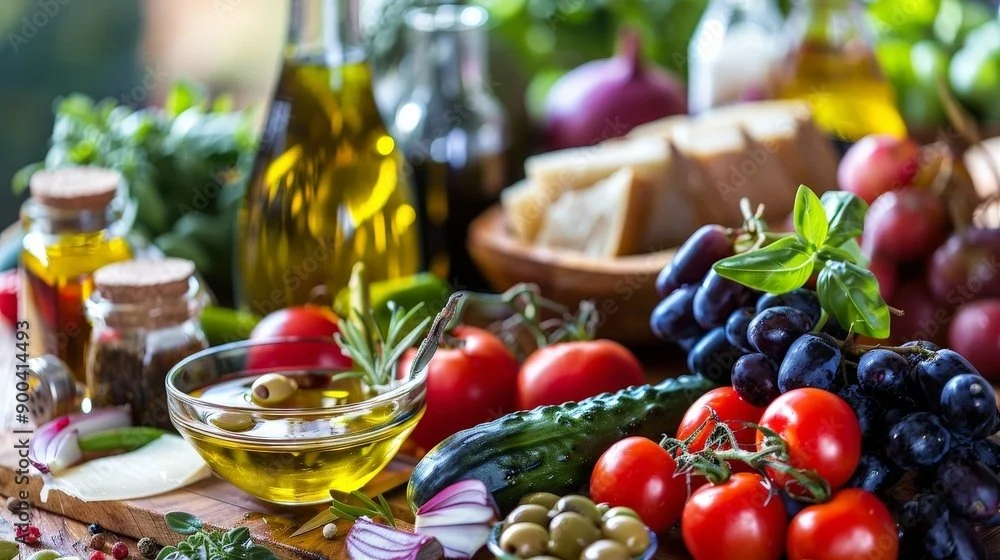
This isn’t a restrictive “diet”. Instead, it’s a sustainable way of eating centered around whole, nutrient-dense foods:
Colorful vegetables and leafy greens
Berries and other whole fruits
Fish and seafood
Lean, high-quality proteins
Extra-virgin olive oil
Nuts and seeds
Beans and legumes
Herbs and spices
Moderate portions of minimally processed whole grains and other fiber-rich carbohydrates.
For women with PCOS, this way of eating may be particularly helpful because it supports several areas that commonly need attention: insulin sensitivity, inflammation, cardiovascular health, health weight management, and overall metabolic health.
Start with Blood Sugar and Insulin
Insulin resistance is common in PCOS—even in women that aren’t overweight.
When insulin levels remain elevated, they can contribute to increased androgen production and make symptoms such as irregular periods, acne, unwanted facial or body hair, and difficulty losing weight more challenging.
Rather than eliminating carbohydrates completely, focus on how you build your meals.
Try pairing carbohydrates with protein, health fat, and fiber. For example, instead of eating crackers or fruit alone, pair fruit with Greek yogurt, nuts, ir another protein source.
A simple way to build your plate is: ½ vegetables, ¼ protein, ¼ high-fiber carbohydrate, with a source of healthy fat.
This combination can help reduce large glucose swings while keeping meals satisfying.
Fill Your Plate with Plants
Summer is the perfect time to experiment with Mediterranean-style eating because so many vegetables are fresh and locally grown.
Zucchini, eggplant, tomatoes, peppers, cucumbers, onions, leafy greens, garlic, and fresh herbs can become the foundation of meals rather than simply an afterthought.
Different colors provide different phytonutrients and antioxidants, so instead of worrying about finding one ‘superfood’, aim for variety.
Visit your farmers market. Shop for what’s in season. Grow a few herbs or vegetables yourself in a container garden. Try a vegetable you’ve never cooked before.
Healthy eating doesn’t have to be complicated.
Don’t Be Afraid of Healthy Fats
Healthy fats are another cornerstone of Mediterranean eating. Choose foods such as: Extra-virgin olive oil, avocado, walnuts, almonds, seeds, olives, fatty fish.
Omega-3 rich fish such as salmon, sardines, trout, and mackerel can be especially valuable additions to an anti-inflammatory eating pattern.
Lifestyle Matters
Food is important, but PCOS management doesn’t stop in the kitchen.
Build Muscle.
Resistance training can be especially beneficial for metabolic health. Muscle helps your body use glucose more effectively, which is one reason I encourage women to incorporate strength training when appropriate.
Walk after Meals.
Something as simple as a 10-15 minute walk after eating can be an easy way to add movement to your day and support post-meal glucose management.
Prioritize Sleep.
Consistently poor sleep can affect hunger hormones, stress hormones, glucose regulation, and insulin sensitivity. Aim for a regular sleep schedule and create an evening routine that allows your nervous system to wind down.
Manage Chronic Stress.
Stress isn’t “all in your head”. Chronic stress affects the entire body.
Prayer, time outdoors, breathing exercises, journaling, yoga, walking, meaningful relationships, and simply creating periods of quiet can all be valuable tools for reducing the burden of chronic stress.
Look Beyond the Scale.
Your progress isn’t defined only by weight.
Improved energy, better sleep, more stable hunger, improved laboratory markers, more regular periods, increased strength, and just feeling better in your body are meaningful signs of progress.
PCOS is Personal—Your Treatment Should Be Too
Two women can both have PCOS and have completely different symptoms and metabolic patterns.
One woman may struggle with insulin resistance and weigh gain. Another may be lean but experience irregular periods, acne, or elevated androgens. Others may have concerns involving inflammation, gut health, nutrient deficiencies, stress, sleep, or fertility.
That’s why I don’t believe PCOS should be approached with a one-size-fits-all plan.
At Tailored Functional Wellness, we take a deeper look at your health history, symptoms, nutrition, lifestyle, and —when appropriate—functional testing and laboratory testing to identify area that may be contributing to your symptoms.
Then we develop a plan tailored specifically to you.
Are You Ready for a More Personalized Approach to PCOS?
If you are struggling with PCOS symptoms and aren’t sure where to start, you don’t have to figure it out by following a generic diet plan, or a one size-fits-all diet plan.
At Tailored Functional Wellness, we take the time to look at the whole picture—your hormones, metabolic health, nutrition, lifestyle, symptoms, and personal goals—to develop an individualized plan designed around you!
Because your health isn’t a one-size-fits-all, your wellness plan shouldn’t be either.
PCOS & the Mediterranean Diet: Using Food and Lifestyle to Support Hormone and Metabolic Health